
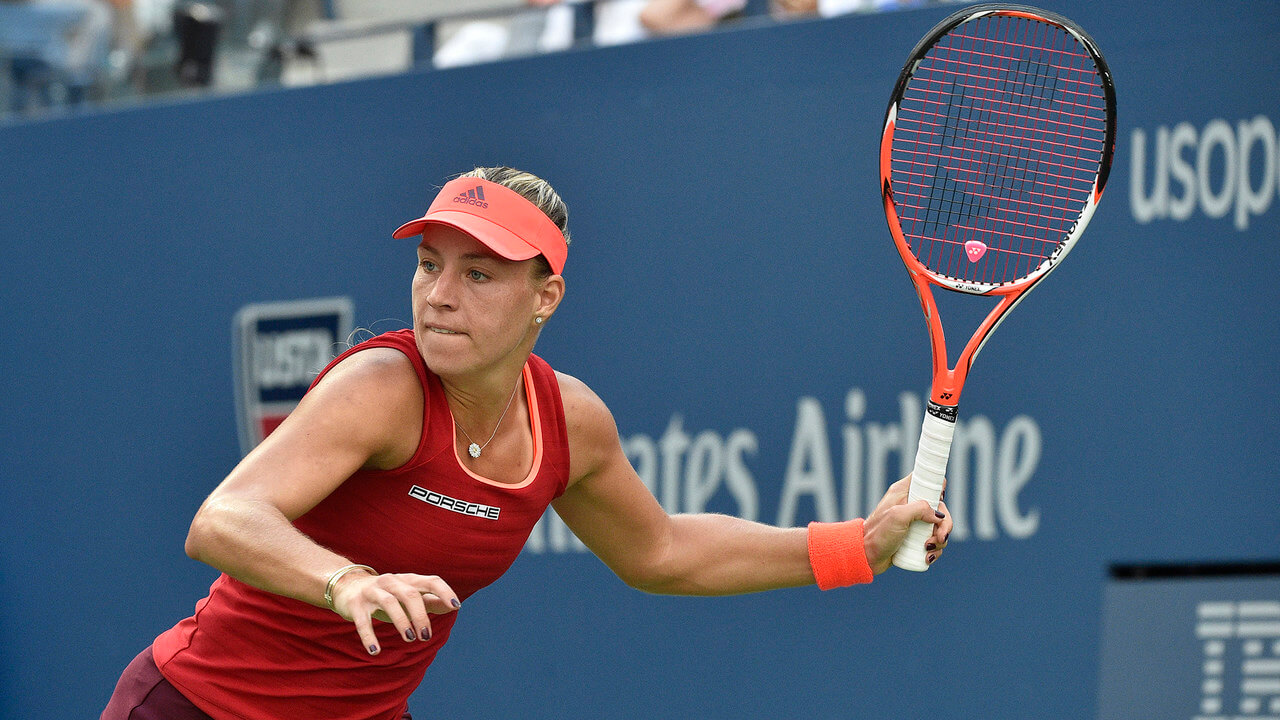
Angelique Kerber’s journey to the top of women’s tennis is one of persistence, resilience, and quiet determination. Often underestimated early in her career, Kerber steadily carved her place among the sport’s elite, proving that consistency and mental strength can rival raw power. Her rise is a compelling story of how belief and hard work can transform an underdog into a global champion.
Early Life and Tennis Beginnings
Angelique Kerber was born on January 18, 1988, in Bremen, Germany, to Polish parents. She began playing tennis at a young age and showed promise early on, but her path was far from easy. Unlike many prodigies who burst onto the scene, Kerber developed gradually, spending years competing on the lower-tier circuits.
Her dual German-Polish background played a role in shaping her identity, and she eventually chose to represent Germany on the international stage. This decision would later make her one of the most successful German tennis players since Steffi Graf.
Breaking Through on the WTA Tour
Kerber turned professional in 2003, but it took nearly a decade for her to gain consistent recognition on the WTA Tour. Known for her exceptional defensive skills, speed, and counterpunching ability, she began troubling higher-ranked opponents by forcing errors and extending rallies.
Her first major breakthrough came in 2011 when she reached the semifinals of the US Open. This performance announced her arrival among the world’s best and signaled that her patient, tactical style could succeed at the highest level.
Grand Slam Glory and World No. 1
The defining chapter of Kerber’s rise came in 2016—a career-defining year that elevated her to tennis superstardom. She won her first Grand Slam title at the Australian Open, defeating Serena Williams in a thrilling final. Later that year, she claimed the US Open title, once again overcoming Williams.
These victories propelled Kerber to the World No. 1 ranking, making her the first German woman to hold the top spot since Steffi Graf. Her success was built not on overpowering shots, but on relentless defense, mental toughness, and the ability to turn opponents’ strengths against them.
Challenges, Comebacks, and Wimbledon Triumph
Like many elite athletes, Kerber faced periods of decline and self-doubt after reaching the summit. Injuries, form slumps, and intense competition tested her resolve. However, her ability to bounce back became another hallmark of her career.
In 2018, she completed her remarkable comeback by winning Wimbledon, defeating Serena Williams in straight sets. The victory cemented her legacy as one of the most versatile players of her era, capable of winning Grand Slam titles on hard courts and grass.
Playing Style and Mental Strength
Angelique Kerber is widely admired for her counterpunching style, incredible footwork, and defensive consistency. She thrives on absorbing pace and redirecting it with precision. Her mental strength—especially in long rallies and high-pressure moments—has been key to her rise and sustained success.
Rather than relying on dominance, Kerber’s game is built on endurance, anticipation, and strategic intelligence, making her a nightmare matchup for aggressive opponents.
Legacy and Impact on Women’s Tennis
Kerber’s rise has inspired countless players who don’t fit the traditional mold of power tennis. She proved that there is more than one path to greatness and that perseverance can be just as powerful as talent.
As one of Germany’s most accomplished modern tennis players, her achievements have revitalized interest in the sport and secured her place among the legends of women’s tennis.
Final Thoughts
The rise of Angelique Kerber is a testament to patience, grit, and belief. From years of grinding on the tour to lifting Grand Slam trophies and reaching World No. 1, her story reminds us that success doesn’t always come fast—but it can come strong. Kerber’s career stands as an enduring example of how determination can turn quiet ambition into lasting greatness.
(FAQs) About Angelique Kerber
1. Who is Angelique Kerber?
Angelique Kerber is a professional German tennis player and former World No. 1. She is a multiple Grand Slam champion and one of the most successful German tennis players of the modern era.
2. How many Grand Slam titles has Angelique Kerber won?
Angelique Kerber has won three Grand Slam singles titles:
- Australian Open (2016)
- US Open (2016)
- Wimbledon (2018)
3. When did Angelique Kerber become World No. 1?
Kerber reached the World No. 1 ranking in September 2016 after an outstanding season that included two Grand Slam victories.
Also Read: Vietcombank Login: A Complete Guide to Accessing Your Online Banking
4. What is Angelique Kerber known for on the court?
She is known for her exceptional defensive skills, speed, counterpunching ability, and strong mental toughness, rather than relying purely on power.
5. Where was Angelique Kerber born?
Angelique Kerber was born in Bremen, Germany, on January 18, 1988, to parents of Polish descent.
6. Which country does Angelique Kerber represent in tennis?
She represents Germany in international tennis competitions, including Grand Slams, the Olympics, and the Billie Jean King Cup.
7. Has Angelique Kerber won Wimbledon?
Yes, Angelique Kerber won the Wimbledon Championships in 2018, defeating Serena Williams in the final.
8. What was Angelique Kerber’s breakthrough moment?
Her major breakthrough came at the 2011 US Open, where she reached the semifinals and established herself among the top players in women’s tennis.
9. What makes Angelique Kerber’s career inspiring?
Kerber’s career is inspiring because of her steady rise, resilience through setbacks, and ability to compete at the highest level without relying on overpowering play.
10. What is Angelique Kerber’s legacy in tennis?
Angelique Kerber’s legacy lies in proving that consistency, defense, and mental strength can lead to greatness. She remains a role model for aspiring players worldwide.
